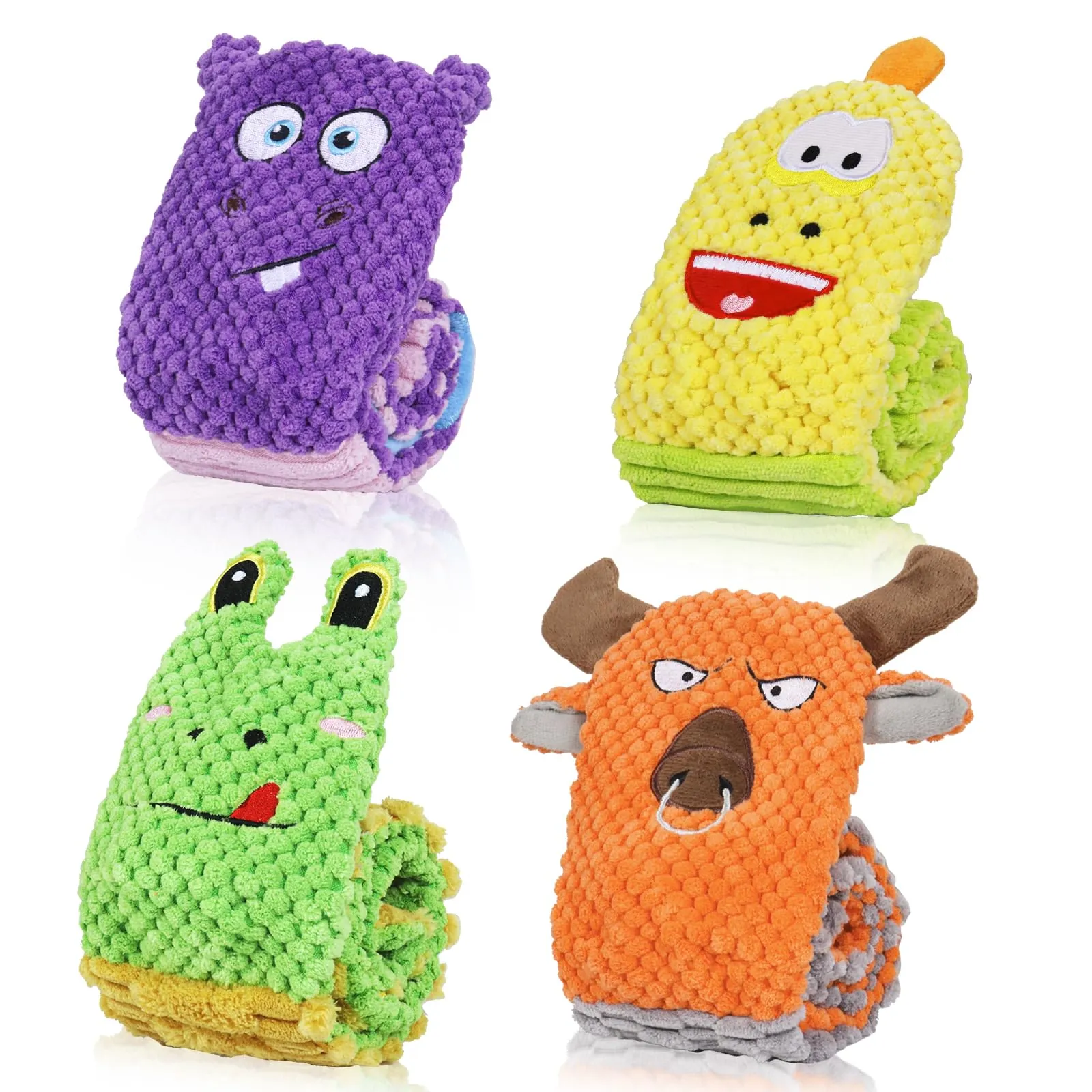
A better outlet for a busy dog.
Some dogs are happiest when they have something to figure out. They follow every sound from the kitchen, carry a toy from room to room, or look for the next job as soon as a walk ends. Dog enrichment toys give that curiosity a more useful direction. A simple treat dispenser, fillable chew toy, or food puzzle turns part of the day into a small task with a clear reward.
The goal is not to keep a dog busy from morning to night. Dogs still need walks, training, rest, and time with their people. An enrichment toy is one helpful part of that rhythm. It can make a quiet stretch of the afternoon more interesting, give your dog something calm to work on while dinner is prepared, or add variety after a wet-day walk.
Wowza Finds brings together dog enrichment toys with different ways to engage. Some roll and release kibble. Some hold a filling for dogs that enjoy chewing and licking. Some offer several textures and hiding spots for dogs that like to sniff and investigate. Start with the kind of play your dog already chooses, then keep the challenge simple enough to enjoy.
Choose the kind of challenge your dog enjoys.
For dogs that nose and search
A multi-piece puzzle or snuffle-style option gives curious dogs something to investigate with their nose and paws. Keep the first hiding spots easy to find so your dog learns that slow exploring pays off.
For dogs that chew and lick
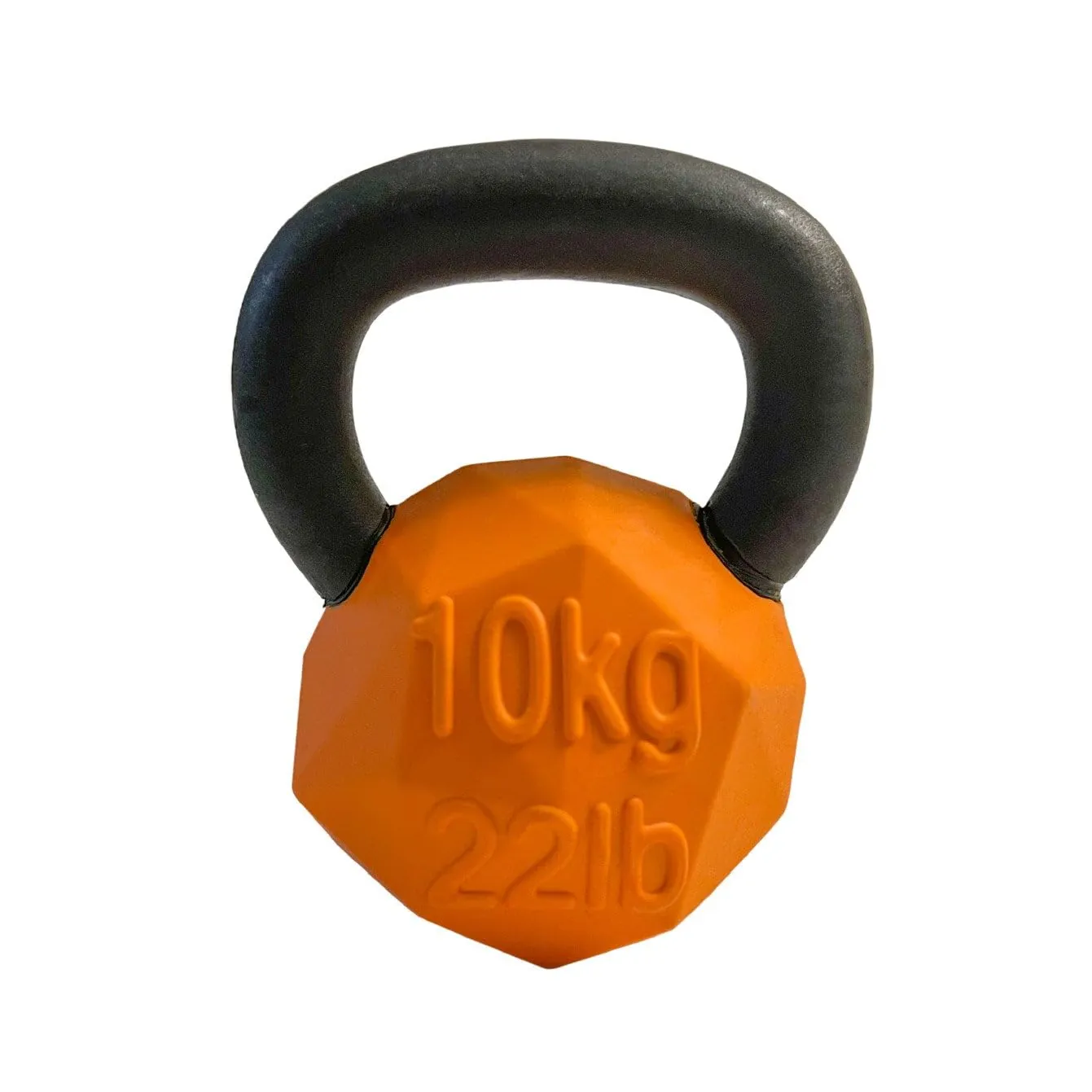
Fillable rubber toys can turn a small portion of food into a calmer activity. They suit dogs that naturally settle down with a chew and enjoy working at a familiar scent or texture.
For dogs that nudge and chase
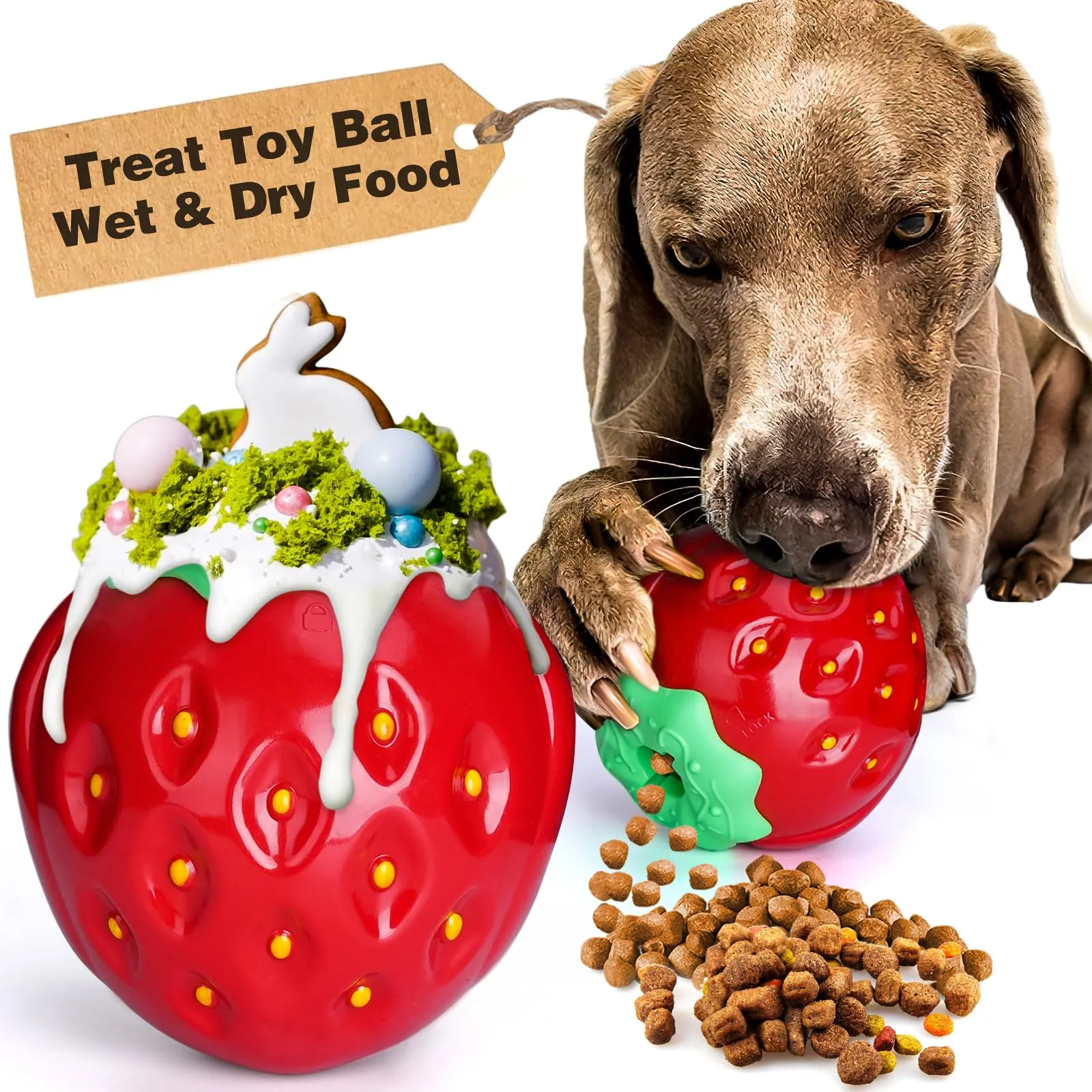
A rolling treat dispenser gives active dogs a reason to move, pause, and try again. Use it on a clear floor where the toy can travel without rolling under furniture or toward stairs.
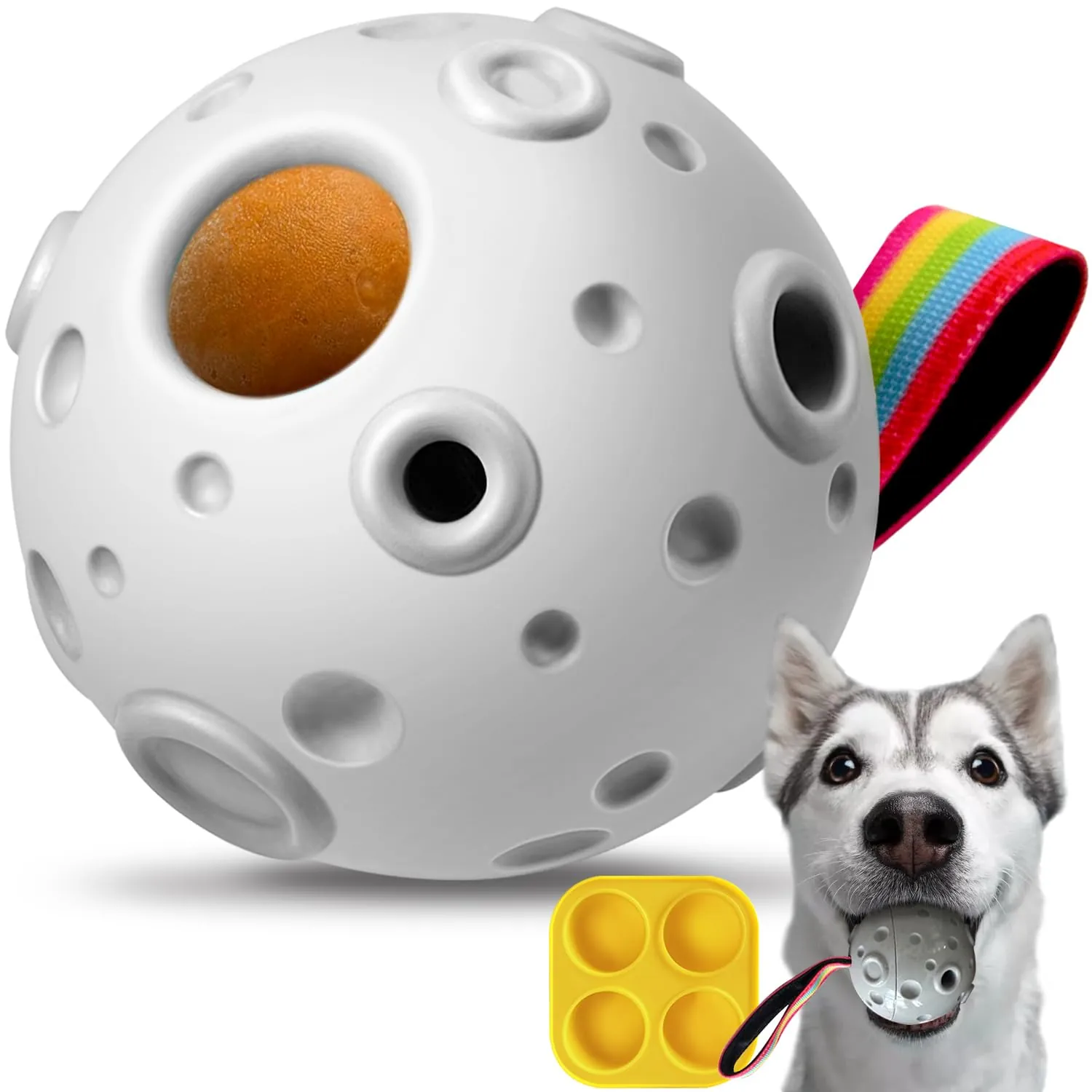
Start easy so the toy feels rewarding.
The best first enrichment session should not look like a test. Let your dog sniff the toy before adding food, then use an easy setup that lets the reward come quickly. For a dispenser, start with a few pieces of kibble that can move through the opening. For a fillable toy, use a small amount of dog-safe filling. For a puzzle set, leave the first compartments open or only lightly covered.
Watch what your dog does next. Some dogs will push and paw at the toy immediately. Others will circle it, look at you, and return after a few minutes. Both responses are normal. Give your dog room to make the connection, and avoid making the challenge harder before they have a clear win.
Once the toy makes sense, change only one detail at a time. Use a smaller portion, a different texture, or a new toy shape. That keeps the routine fresh without turning it into a frustrating puzzle. Dogs do not need the hardest challenge. They need one they will happily come back to.
Build enrichment into the moments you already have.
Enrichment toys work best when they fit naturally into your day. Offer one after a walk, during a work call, while you are getting dinner ready, or when your dog starts looking for a new project. A short, focused session can be more satisfying than leaving every toy on the floor all day.
Using part of a measured meal can make an enrichment toy feel especially worthwhile. It gives your dog a chance to work for familiar food while helping you keep portions steady. Not every toy suits every food, so use pieces that fit the opening safely and follow the product’s care guidance. A simple setup that you can prepare and clean easily is more likely to become a real part of the routine.
Rotation makes a difference, too. Keep one or two options available for short sessions, then put them away and bring out a different style another day. A treat dispenser, a fillable chew, and a puzzle set each give a dog a different kind of work. The mix helps the toy basket stay useful rather than becoming background clutter.
Dogs that already enjoy a rolling challenge can also browse our focused collection of dog puzzle balls and treat-dispensing toys. That page makes it easier to compare the styles built specifically for pushing, rolling, and earning a snack on the move.
Shop dog enrichment toys.
Choose a simple, rewarding activity that fits how your dog naturally likes to play.
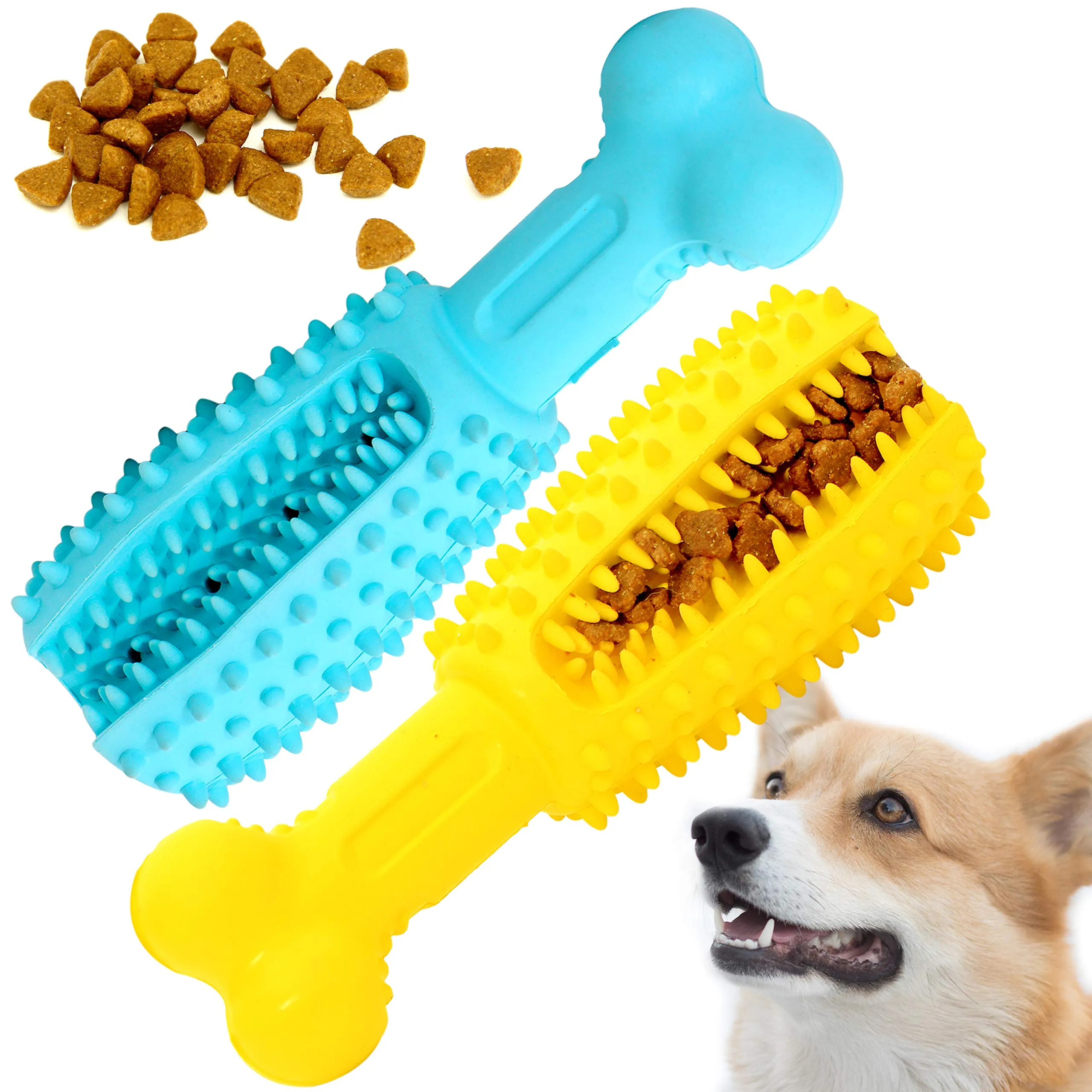
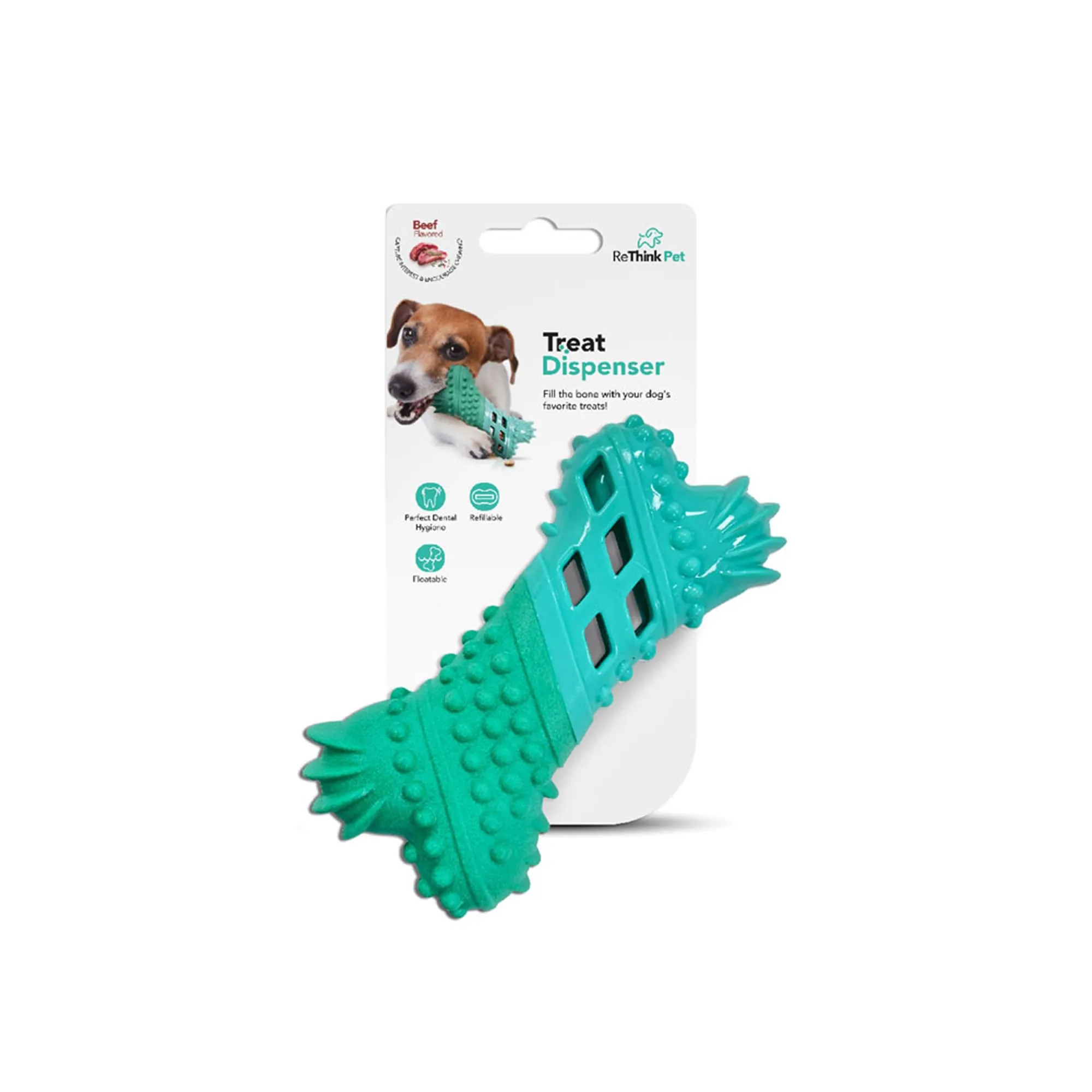
Keep enrichment time safe and manageable.
Choose a toy that fits your dog’s size, normal chewing style, and usual energy level. Before every session, make sure it is clean, intact, and free from cracks, loose pieces, or worn edges. Set rolling toys on a clear surface away from stairs, cords, breakables, and tight furniture gaps. A little preparation keeps the focus on the activity instead of a preventable mess.
New toys deserve a little observation. Stay nearby while your dog learns how the toy works, especially when it has pieces that can shift, soft materials, or a filling. If your dog loses interest, make the next session easier. If your dog starts trying to tear the toy apart, take it away and choose a sturdier style or a more supervised activity.
Keep food choices familiar and comfortable for your dog. Use part of the normal meal when that suits the toy, and avoid adding extras that do not fit your dog’s routine. Dogs with a prescribed diet, food sensitivities, dental concerns, or a sudden change in appetite should have a veterinarian guide any change to feeding activities.
Frequently asked questions
What are dog enrichment toys?
Dog enrichment toys give a dog a constructive activity beyond an ordinary chew or toss. They can dispense food, hold a filling, ask a dog to sniff and search, or create a simple puzzle to solve. The right option adds a manageable challenge to a routine that still includes walks, rest, training, and time with you.
Which enrichment toy should I try first?
Start with the play style your dog already enjoys. A dog that follows rolling objects may enjoy a treat dispenser. A dog that settles in to chew may prefer a fillable rubber toy. A curious dog that likes to investigate new textures may enjoy a multi-piece puzzle set. Make the first session easy enough that the reward is clear.
Can I use my dog’s regular food in an enrichment toy?
Many treat-dispensing toys work well with part of a measured kibble meal. Choose pieces that move safely through the opening, and keep the serving size familiar. Check the product guidance before using a soft filling, then clean the toy after the session.
How long should an enrichment session last?
A few good minutes can be plenty. Put the toy away while your dog is still interested, then bring it back on another day. Short sessions make it easier to notice which type of challenge your dog enjoys without turning the toy into background clutter.
Should I supervise my dog with enrichment toys?
Check the toy before each use and choose one that suits your dog’s size and normal chewing style. Stay nearby for new toys, toys with small parts, and any session where your dog may try to tear pieces off instead of using the toy as intended.
Ready to give your dog a better kind of busy?
Explore the full dog collection for play, walking, grooming, and everyday finds that earn their place at home.
Browse dog finds →