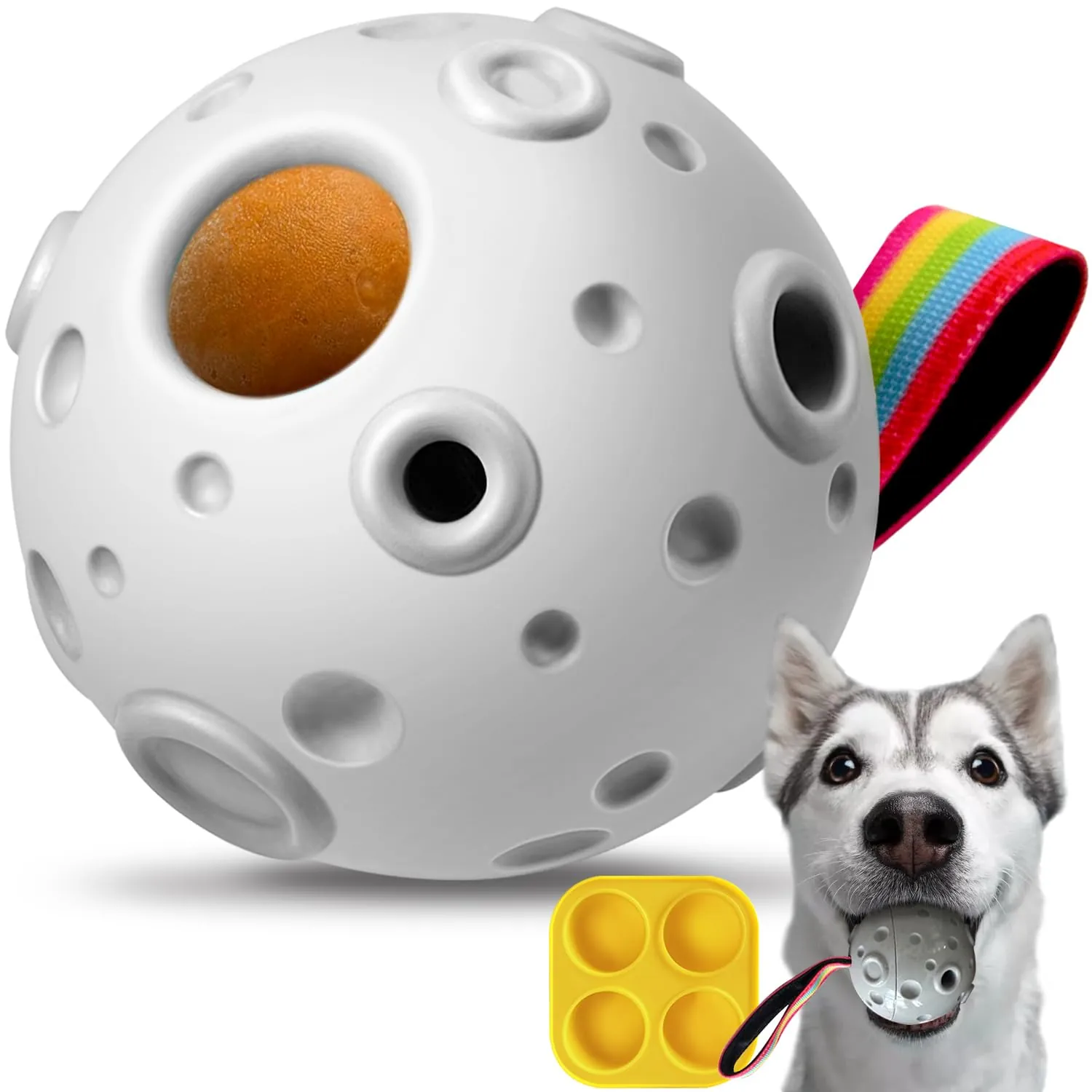
A better kind of busy.
Some dogs are ready for the next thing before the coffee has cooled. They nose through the toy basket, pace by the door, or turn an ordinary cushion into a personal project. A dog puzzle ball gives that energy a more useful direction. Instead of simply handing over a treat, it adds a small task: roll the toy, nudge it again, work at the opening, and keep trying until the reward appears.
That simple pattern can make a regular snack feel more engaging. It can also give your dog something constructive to focus on while you take a call, make dinner, or settle in after a walk. The goal is not to keep a dog occupied all day. It is to add a short, satisfying activity to a routine that already includes movement, training, rest, and time with you.
Wowza Finds brings together dog puzzle toys with different kinds of challenges. Some reward a dog for rolling and pushing. Some are made to hold a filling or a favorite treat. Others add several textures or play styles, so a dog can explore something new without needing a complicated setup.
Choose the challenge that fits your dog.
For dogs that nudge and chase
A rolling puzzle ball or treat dispenser gives active dogs a clear job. Add a small amount of kibble or a few treats, then let the toy move across an open floor as your dog follows the reward.
For dogs that like to chew and lick
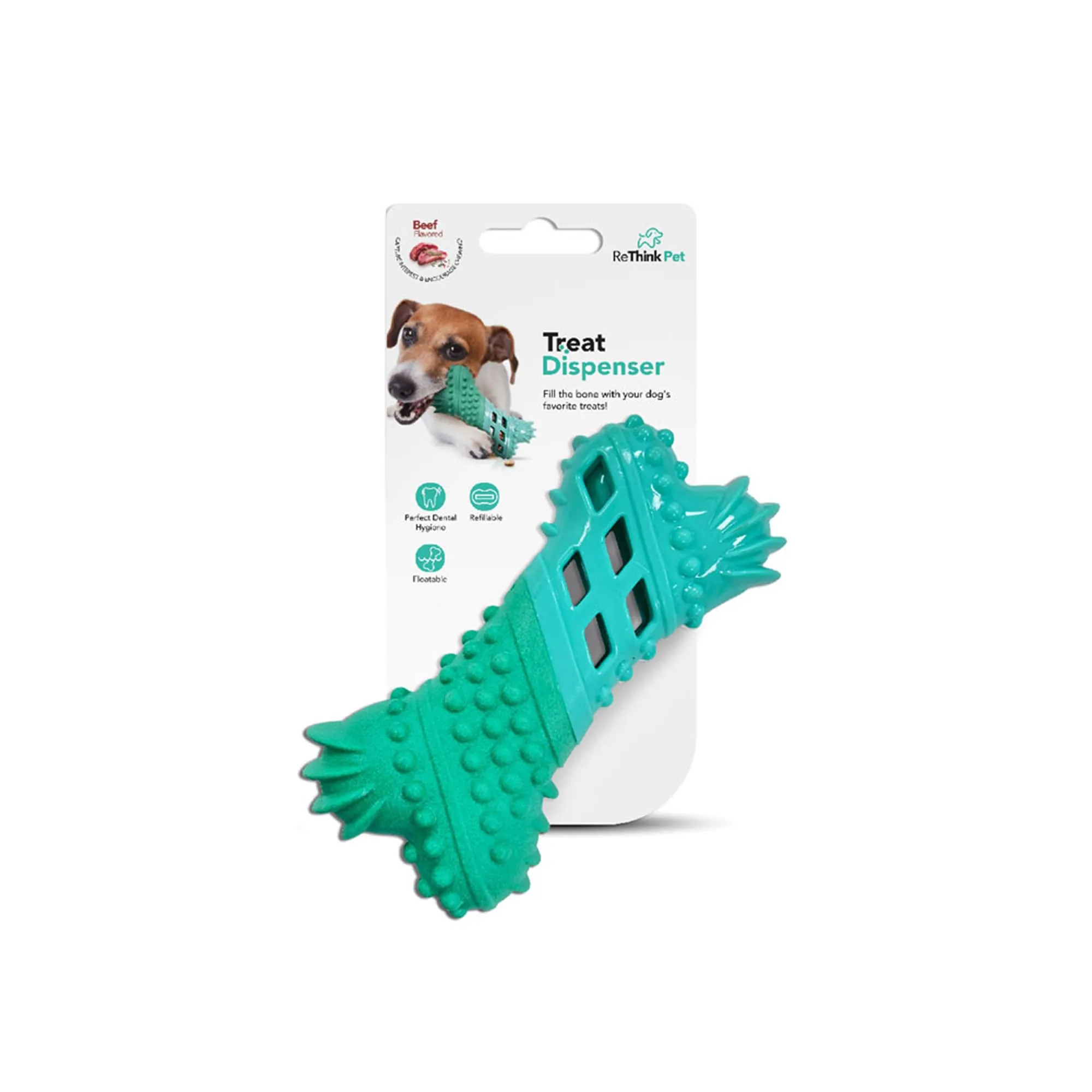
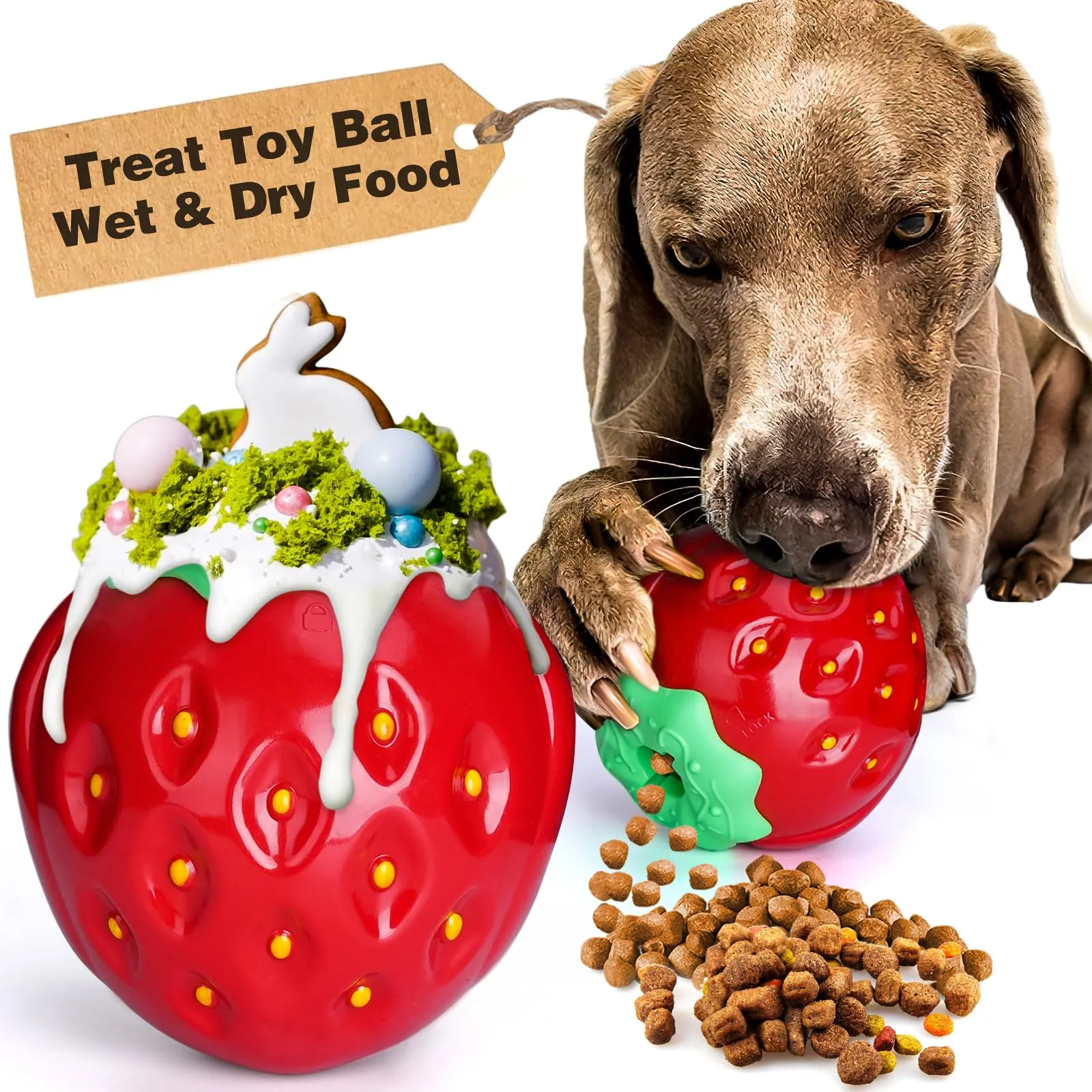
Fillable rubber toys can make a calm, longer-lasting activity. A simple filling gives your dog something to work on at their own pace, especially after a walk or play session.
For dogs that need variety
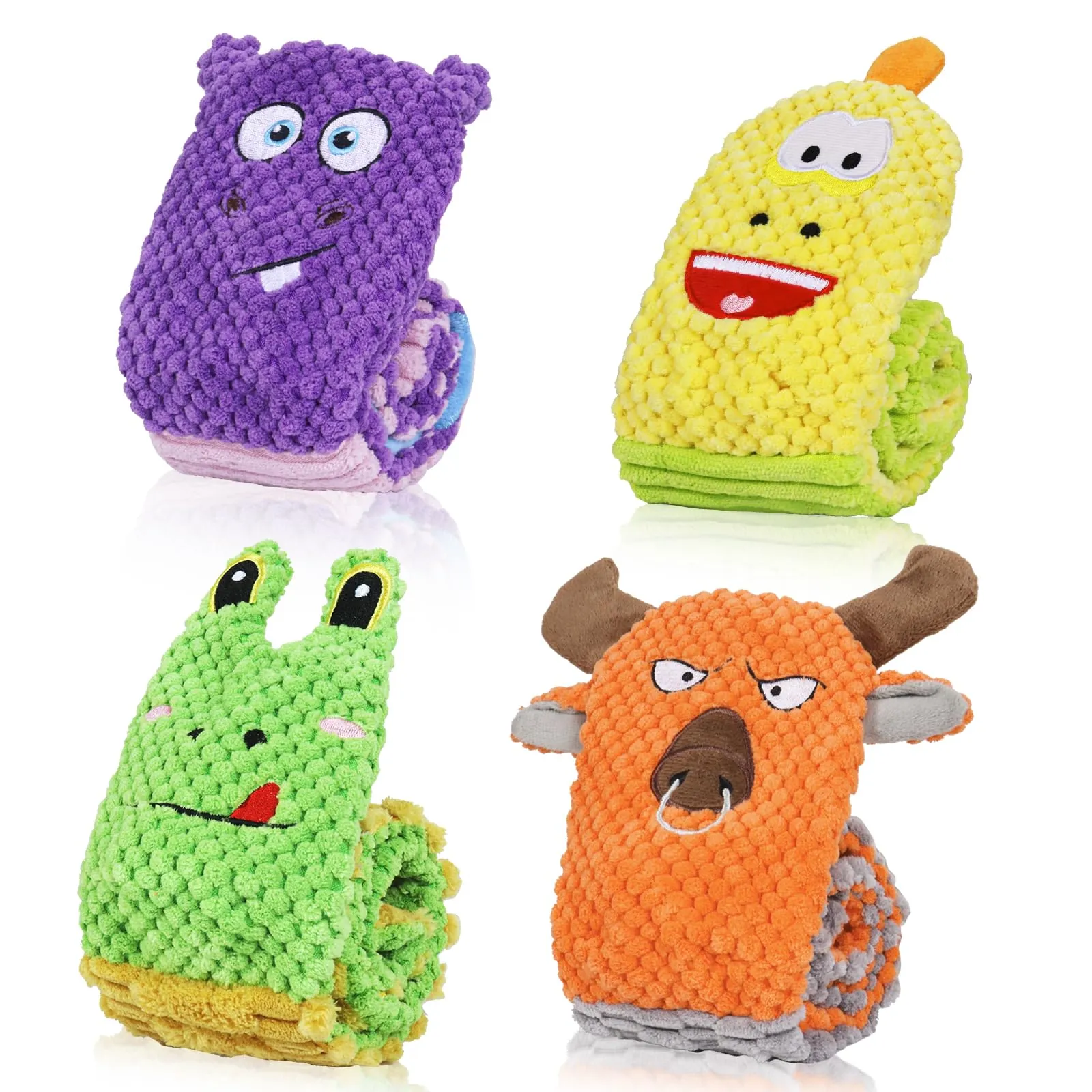
A puzzle toy set offers different textures, sounds, and ways to play. Rotate one option at a time so each toy stays interesting instead of becoming part of the background.
Start easy, then let your dog learn the game.
The first puzzle toy should feel approachable. Choose an open, familiar spot and let your dog investigate it before adding a challenge. If the toy dispenses treats, begin with a few pieces that come out easily. If it is fillable, keep the first filling simple. A dog that understands the reward quickly is more likely to return to the toy with confidence.
Watch how your dog responds. A playful dog may bat the toy around the room right away. A more cautious dog may sniff, paw, and step back before trying again. Both are normal. Give them time to make the connection, and end the session while they are still interested. That keeps the toy feeling like a good part of the day rather than a source of frustration.
Once your dog has the idea, make small changes instead of jumping straight to a difficult challenge. Use a smaller opening, a different treat, or a toy with a new shape. The best puzzle toy is not the hardest one. It is the one your dog can enjoy and return to safely.
Make puzzle time work in real life.
Dog puzzle balls are especially useful when they fit naturally into a daily rhythm. Try one after a morning walk, while you are preparing dinner, or during the part of the afternoon when your dog usually starts looking for trouble. A short puzzle session can give an energetic dog a change of pace without turning every quiet moment into a full play session.
Use a portion of your dog's normal food when it makes sense for the toy. That can turn part of a meal into a more interesting activity while keeping portions familiar. For a treat-dispensing ball, choose pieces that move through the opening without forcing them. For a fillable toy, use a small amount of dog-safe filling and clean the toy after use. The point is a manageable challenge, not a mess that takes longer to clean than the activity lasts.
Rotation helps too. Leave one puzzle toy out for a short session, then put it away and bring out another one another day. A rolling toy, a fillable rubber toy, and a multi-piece puzzle set each give a dog a different kind of work. Switching between them keeps the routine fresh while letting your dog build confidence with familiar play patterns.
Shop dog puzzle balls and toys.
Choose a simple challenge that gives your dog a rewarding way to play, snack, and settle in.
A quick safety check before every session.
Choose a toy that is appropriate for your dog's size and usual chewing style. Before use, check that it is intact, clean, and free from cracks, loose pieces, or worn edges. Set it on a surface where it can roll without reaching stairs, furniture gaps, cords, or anything breakable. If your dog is new to a toy or tends to tear apart toys quickly, stay nearby while they learn how to use it.
Keep the challenge comfortable. A dog that loses interest can try again later, but a dog that becomes frustrated may need an easier setup. Start with fewer treats, a looser filling, or a toy with a simpler opening. If a puzzle toy has small attachments, strings, or pieces that could come loose, reserve it for supervised play only.
Take the toy away if it becomes damaged or if your dog starts chewing off pieces rather than using the puzzle as intended. Puppies, older dogs, and dogs with health or diet concerns may need a gentler option or different treats. When in doubt, ask your veterinarian what fits your dog's routine.
Frequently asked questions
What is a dog puzzle ball?
A dog puzzle ball is a toy that gives a dog something to work on. Some roll to release kibble or treats, while others hold a spread or stuffing that takes time to lick and chew. The right challenge depends on your dog and how they prefer to play.
Are dog puzzle balls good for bored dogs?
They can add a useful activity when a dog has extra energy or needs a calmer indoor task. A puzzle toy works best alongside walks, training, rest, and social time. Start with an easy fill so your dog learns how the toy works without becoming frustrated.
What can I put in a dog puzzle ball?
Use part of your dog’s regular kibble or treats that fit the toy safely. For a fillable rubber toy, a small amount of dog-safe spread or softened food can make the challenge last longer. Check the product guidance first and avoid ingredients your dog should not eat.
Should I leave my dog alone with a puzzle toy?
Inspect the toy before every session and choose a size that is appropriate for your dog. A sturdy toy may suit some independent play, but new toys, damaged toys, and toys with loose or small parts are best used while you are nearby.
How do I choose the right dog puzzle toy?
Match the toy to your dog’s play style. Start with a simple dispenser for dogs that like to nudge and roll, a fillable rubber toy for dogs that enjoy licking and chewing, or a set with several textures for dogs that enjoy variety.
Ready to give your dog a new challenge?
Explore the full dog collection for puzzle toys, everyday play, walking gear, and more useful finds.
Browse dog finds →