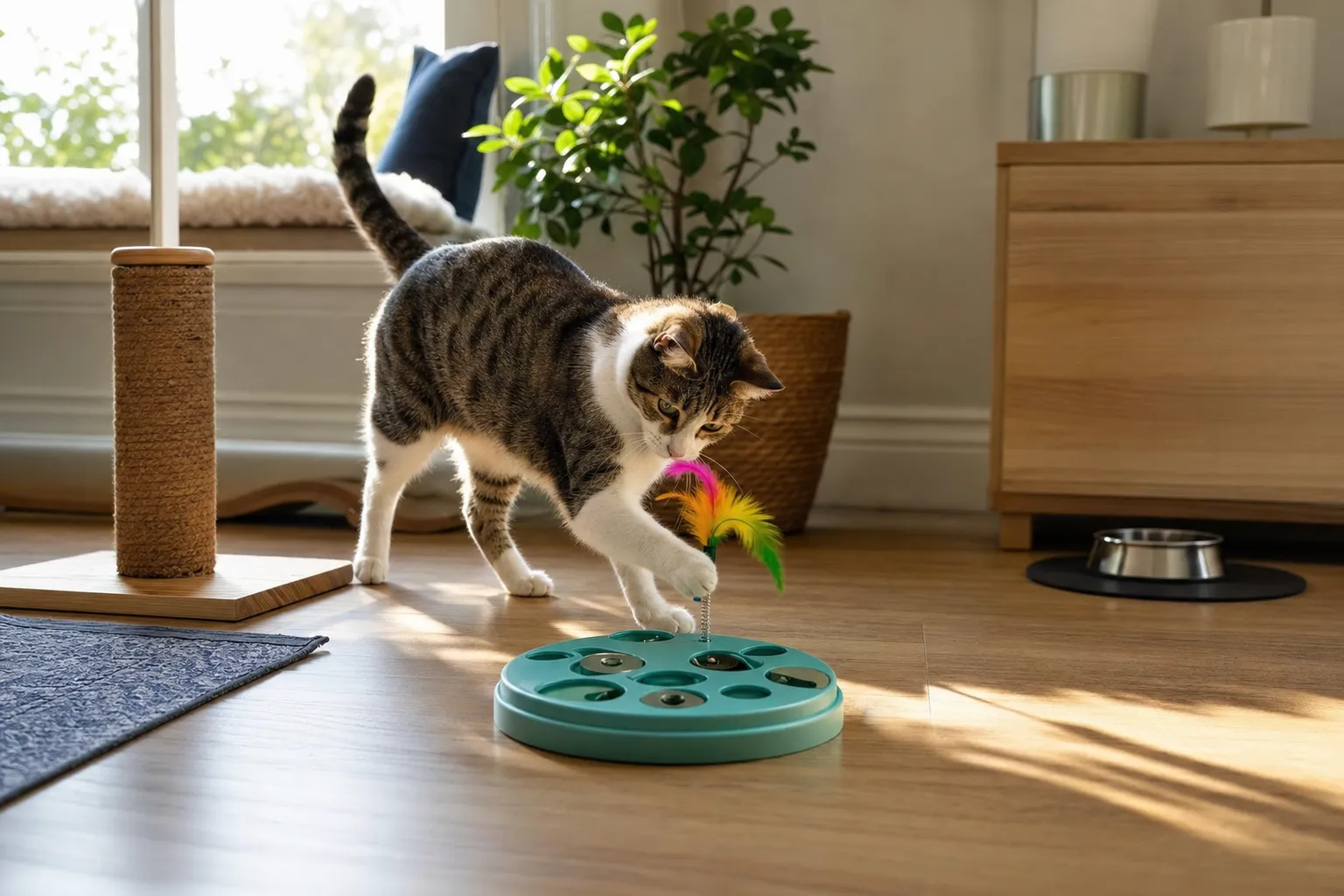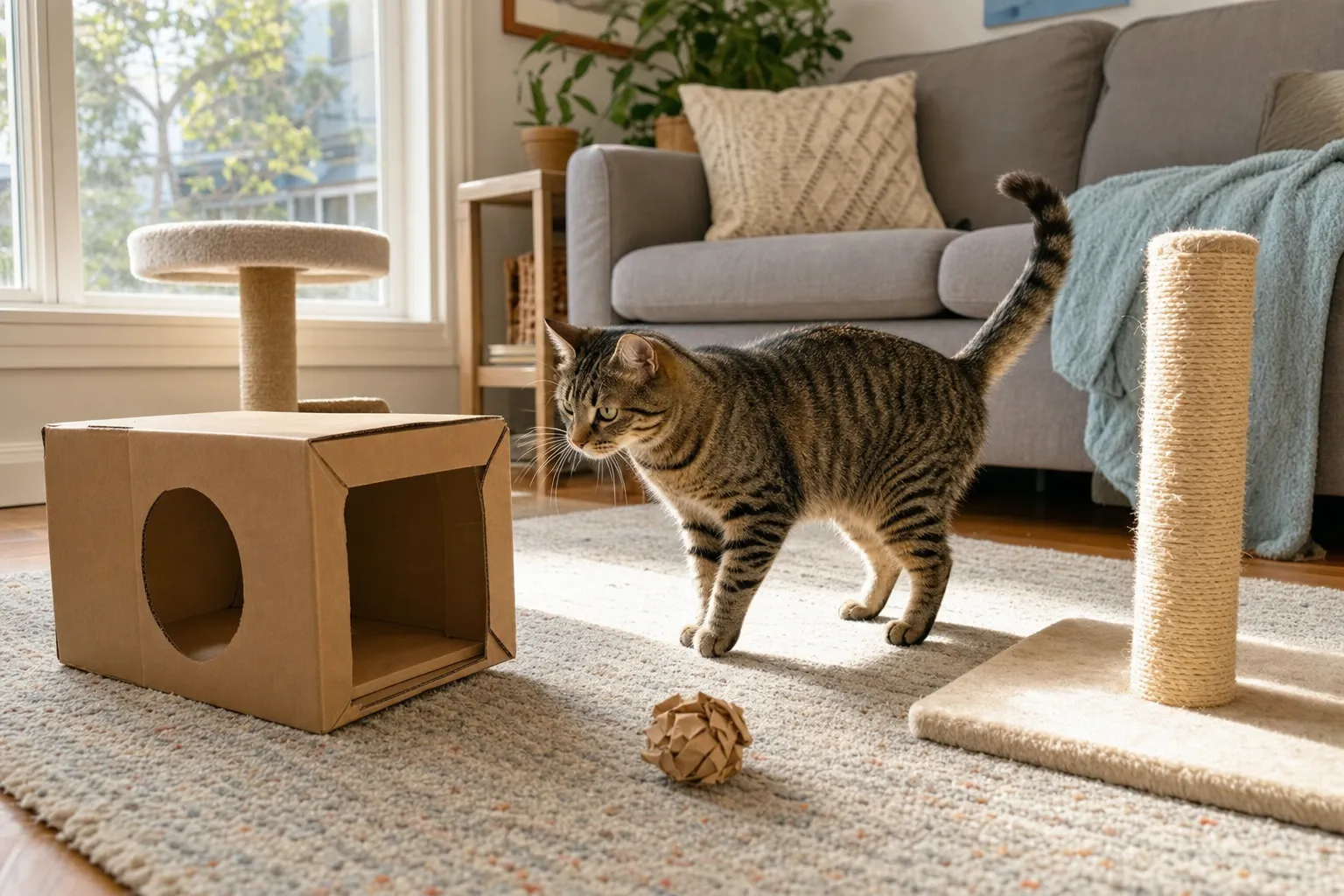
Good cat enrichment does not have to mean a house full of gadgets. For an indoor cat, the useful stuff is often simple: a place to climb, a quiet spot to hide, something safe to scratch, a chance to hunt, and a view that changes through the day. Those choices let a cat use normal instincts in a home that can otherwise feel very predictable.
The best plan starts small and follows your cat's behavior. A cat who lives at the window may want a sturdier perch. A cat who ambushes ankles may need a short hunting game before dinner. A cat who turns every delivery box into a fort is telling you exactly what they enjoy. Try one change, watch what happens, and keep the pieces your cat comes back to.
What cat enrichment actually means
Enrichment is not a nonstop activity schedule. It is a home setup that gives a cat safe choices about where to rest, how to move, what to investigate, and when to play. The American Association of Feline Practitioners' environmental needs guidance highlights safe places, separate key resources, opportunities for play and predatory behavior, and an environment that respects a cat's senses. That is a much better checklist than buying whatever toy happens to be trending.
Think in layers. A scratcher handles one need. A window perch handles another. A cardboard hideout offers privacy. A puzzle feeder turns part of a meal into a small investigation. No single item has to do all the work. A few useful options, placed where your cat already likes to spend time, are usually more effective than a pile of unfamiliar things in the middle of the floor.
1. Give your cat a safe place to watch and rest
Cats often enjoy being able to observe a room without sitting in the middle of it. A stable cat tree, a sturdy shelf, or a secure window perch can make a familiar room feel bigger. Add a soft bed nearby if your cat likes long naps. The view does not have to be dramatic. Passing people, moving leaves, birds, and a patch of sun can be plenty to check in on between rests.
Make access easy for the cat you have now. A young, confident cat may enjoy height and a quick climb. A senior cat may prefer a lower perch with a short step up. Keep breakable items away from launch zones, check that screens are secure, and do not put a cat bed beside a drafty or overly hot window. A good perch is one your cat can reach and leave comfortably.
2. Build in a short hunting game
Interactive play is one of the clearest ways to give an indoor cat a satisfying outlet. A wand toy, soft tossed toy, or rolling ball can invite stalking, chasing, pouncing, and catching. Let the toy move like something interesting rather than waving it in your cat's face. Pause behind furniture, make it retreat, and give your cat a few successful catches.
Short sessions count. Five focused minutes before work or before dinner can be more appealing than leaving a toy out all day. End the game with a small part of a meal or a treat when that fits your cat's feeding routine. The sequence of hunt, eat, and rest is often easier for a cat to settle into than an endless, frustrating chase.
3. Turn part of mealtime into an activity
Food can be one of the easiest enrichment tools because it taps into a cat's interest in sniffing, searching, and working things out. Instead of adding extra treats, set aside a measured portion of the normal meal for a food puzzle, a slow feeder, or a few easy hiding spots. The Ohio State Indoor Pet Initiative recommends feeding in a way that creates activity and lets cats work for food.
Start with an easy win. Scatter a few pieces of kibble in plain sight around one room, or use a simple feeder your cat can solve right away. Once your cat understands the game, you can make the search a little more interesting. Do not make every meal difficult, and do not use a food puzzle for a cat who is not eating normally. Cats with health concerns, prescribed diets, or sudden appetite changes need guidance from a veterinarian first.
4. Make hiding part of the home
Hiding is not a bad habit by itself. Cats use covered spaces to rest, observe, and take a break from noise. A cardboard box on its side, a tunnel, a covered bed, or an open carrier with a blanket can all give a cat a low-pressure retreat. Put one in a quiet corner and another near a favorite room, then let your cat decide which spot feels right.
Keep the setup safe. Remove tape, staples, loose handles, plastic bags, and string from boxes. Make sure tunnels stay open and stable. If there are other pets or young children in the home, give the cat at least one resting place that is not on the main traffic path. A hideout works best when it is truly optional, not somewhere a cat has to defend.
5. Rotate toys so familiar things feel fresh
Leaving every toy out at once can make them blend into the room. Try keeping only a few choices available, then swapping them every several days. One toy might roll, another might crinkle, and another might invite batting. Rotation changes the experience without requiring constant new purchases, and it also gives you a simple way to notice what your cat prefers.
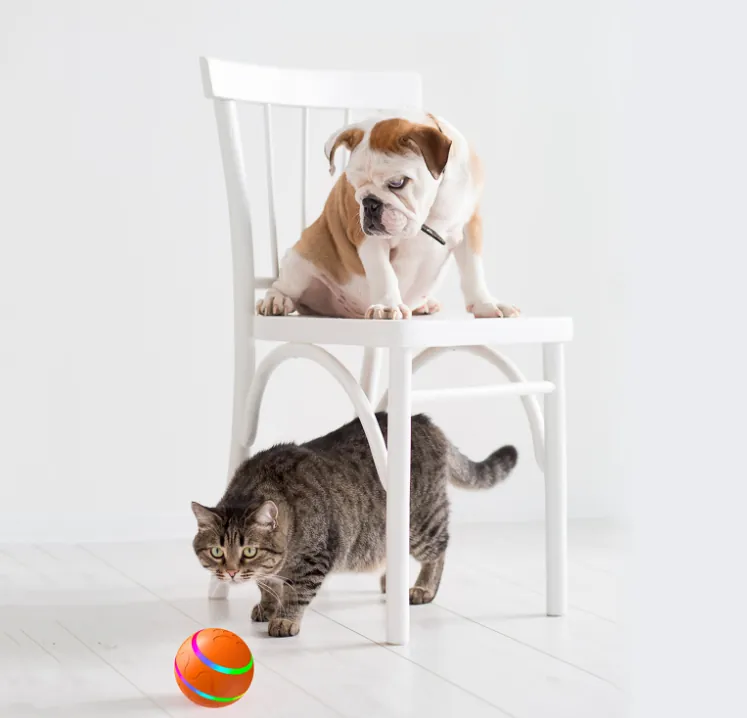
Inspect toys as you rotate them. Retire anything with loose pieces, damaged batteries, exposed stuffing, frayed ribbon, or small parts that could be swallowed. For cats who enjoy movement, a self-propelled toy can be a fun part of the mix, but it should never replace a regular safety check or a play session with you.
6. Give scratching a better destination
Scratching lets cats stretch, leave scent and visual signals, and maintain their claws. The trick is not just buying a scratcher. It is placing the right type where your cat already wants to scratch. A vertical post may suit a cat who reaches up the side of the couch. A flat cardboard pad may work better for a cat who scratches the rug.
Place a scratcher near a sleeping spot, a window, or the furniture your cat has chosen in the past. Make it sturdy enough that it does not wobble when used. If your cat ignores a new scratcher, move it before assuming it is a bad fit. Location is usually the first thing worth changing.
7. Use sound, scent, and novelty carefully
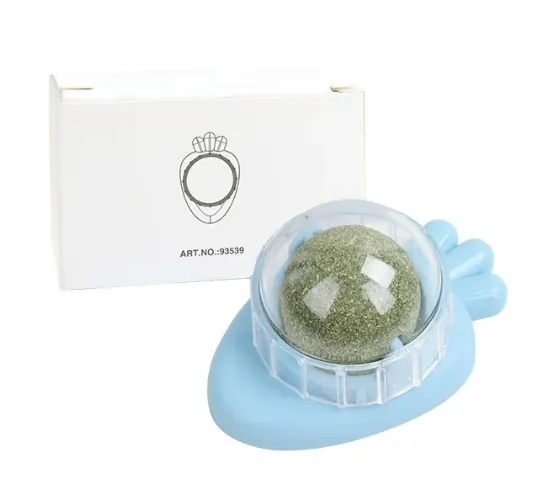
A new cardboard box, a paper bag with the handles removed, a silvervine toy, or a different safe resting spot can create interest without changing the whole room. Keep novelty gentle. Cats have sensitive hearing and can be wary of strong smells, loud toys, or sudden rearrangements. A curious cat may investigate immediately. A cautious cat may need a few days.
Use your cat's response as the guide. Loose body language, a relaxed tail, and voluntary exploration are good signs. If your cat avoids the item, flattens their ears, or becomes more tense, remove the pressure. Enrichment should give a cat more control, not make the room feel less predictable.
8. Pair automatic toys with a balanced routine
Automatic toys can be useful for adding motion when you are busy, especially for cats who respond to fluttering, rolling, or unpredictable movement. The most useful setup is still a balanced one: a toy for a short burst of activity, a safe place to perch, a scratcher, a hideout, and a quiet spot to sleep. Many cats will play for a few minutes, then decide a sunny nap is the better plan. That is normal.
Choose a sturdy model, follow its guidance about supervision, and check it often for loose attachments or damage. For a cat who likes movement, the store's automatic cat toy collection has rotating, rolling, and fluttering options. Start with brief sessions while you are nearby, then keep only the styles your cat actually enjoys.

A simple seven-day enrichment reset
You do not need to change everything today. On day one, add a clean box or covered bed in a quiet area. On day two, move a scratcher closer to a favorite nap or couch corner. On day three, try a short hunt-style play session. On day four, turn a small part of one meal into a simple search. On day five, refresh the window perch or resting spot. On day six, rotate one toy back into the room. On day seven, keep only the changes your cat chose.
That last part matters. The goal is not to make your home look like a pet aisle. It is to make everyday choices easier for your cat. A small routine that gets used every day is more valuable than an ambitious setup that creates clutter and gets ignored.
How Wowza Finds can help
Once you know what kind of play your cat responds to, it is easier to choose a useful next item. Browse the cat collection for everyday toys and care finds, or focus on the automatic cat toys page when your cat is most interested in motion. For a workday routine that ties everything together, read how to keep cats entertained while at work.
Make indoor time more interesting
Explore cat finds for rolling, fluttering, spinning, and everyday play sessions.
Browse cat finds →Frequently asked questions
What is cat enrichment?
Cat enrichment means giving a cat safe ways to use normal instincts such as exploring, climbing, scratching, hunting, resting, and observing. It is not about keeping a cat busy every minute. It is about offering useful choices throughout the day.
How much enrichment does an indoor cat need?
A small daily routine is usually more useful than a major overhaul. A short play session, a comfortable perch, a scratcher, a hideout, and one food or toy activity can give most cats plenty to explore. Adjust the routine based on what your cat actually uses.
Can cardboard boxes count as cat enrichment?
Yes. A sturdy, clean box can give a cat a place to hide, investigate, and play. Remove tape, staples, handles, loose plastic, and anything a cat could chew or swallow. Replace the box when it becomes soggy, unstable, or heavily damaged.
Are automatic cat toys enough for enrichment?
Automatic toys can add movement and variety, but they work best as one part of a richer setup. Pair them with a calm place to rest, scratching choices, vertical space, and regular interactive play. Inspect any toy for wear and follow its supervision guidance.